Hard landscaping in Haringey: durable outdoor spaces for homes and businesses
If you are looking for hard landscaping in Haringey, you are probably ready to turn an outdoor area into something that is practical, attractive, and built to last. Whether it is a tired rear garden in a Victorian terrace, a side return that needs smart paving, a shared courtyard for flats, or a commercial frontage that has to look tidy every day, hard landscaping can make a dramatic difference to how a space works.
Haringey has a wide mix of properties and outdoor layouts, from period homes in Crouch End and Highgate to modern apartments around Tottenham Hale, family houses in Muswell Hill, and busy commercial premises near Wood Green and Harringay. That variety means every project needs careful planning. Slopes, limited access, narrow side passages, permit parking, mature trees, and existing drainage all affect how the work should be designed and delivered. A local team understands these realities and can plan a build that fits the space, the property, and the way you actually use your outdoor area.
From patios and paths to retaining walls, steps, edging, driveways, and outdoor surfacing, hard landscaping creates the structure that makes a garden usable. It is the part of the outdoor environment that gives shape, definition, and long-term reliability. If you want to improve kerb appeal, create safe access, reduce maintenance, or make better use of a sloping garden, this service can be tailored to your needs. Book a consultation or request a quote when you are ready to start planning.
Why hard landscaping matters in Haringey
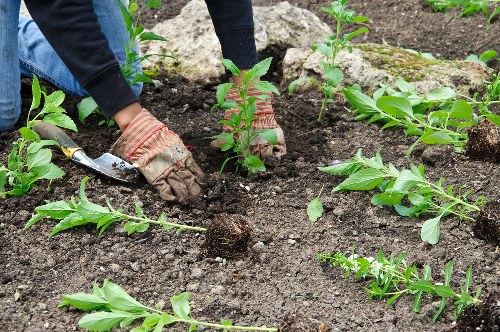
Outdoor spaces in Haringey often have to work harder than they first appear. A small rear garden may need to function as a seating area, a drying area, a route to bins, and a play space. A front garden may need to provide access, storage, and a smart first impression. In commercial settings, the outdoor area may need to support deliveries, customer movement, or everyday staff use. Hard landscaping provides the practical framework that makes those uses possible.
Unlike planting alone, hard landscaping focuses on the built elements that stay in place and deal with movement, load, and weather. That includes paving, steps, retaining walls, raised beds, pathways, sleeper features, decorative gravel, edging, and other structural finishes. These elements must be installed correctly so they remain stable, drain properly, and continue to look good through wet winters and summer use.
For local customers, the value is often in the detail. A properly graded patio can stop water pooling by the back door. A well-designed path can make a side access route safer in darker months. A smartly built retaining wall can transform a split-level garden into usable terraces. When planned well, hard landscaping is not just about appearance; it is about making everyday life easier.
Typical reasons customers choose hard landscaping
Many Haringey property owners start with one practical problem and end up improving the whole outdoor layout. That is common, because once the structure is right, the space becomes much more usable. Local customers often want:
- A low-maintenance garden that still looks polished
- Safer steps and level changes for family or elderly access
- A better surface for entertaining, dining, or children’s play
- Clear borders between lawns, beds, paths, and seating areas
- Improved drainage and reduced muddy areas
- Outdoor surfaces that suit traditional or modern property styles
These needs are especially common in a borough where homes vary so much from street to street. A terrace near Turnpike Lane may need a compact but clever layout. A larger garden in Hornsey may allow more scope for tiers, walls, and feature paving. A flat development in Seven Sisters may need hard-wearing communal surfaces that are easy to maintain.
What is included in hard landscaping?

Hard landscaping can cover a wide range of construction and surfacing work. The exact scope depends on your property, your goals, and the existing condition of the site. Some projects are straightforward and involve replacing old paving or adding a new path. Others require excavation, levelling, drainage improvements, and the building of new structural features.
Common hard landscaping elements include patios, pathways, driveways, retaining walls, steps, raised planters, edging, gravel areas, and seating zones. It may also involve installing drainage channels, preparing sub-bases, laying turf borders, creating access routes, and building timber or masonry features that define the layout of the garden. A well-planned project blends these components so the whole space feels coherent rather than pieced together.
In Haringey, the best results usually come from an approach that balances practicality and style. For example, a paved patio might be selected for a family home because it is durable and easy to clean, while a textured stone path may be chosen for a more traditional terrace because it suits the architecture. The right material and layout can make a garden feel larger, brighter, and easier to use.
Popular hard landscaping features for local properties
Different properties call for different solutions, but some features are especially popular with homeowners and businesses across the borough:
- Patios for outdoor seating, dining, and entertaining
- Driveways for improved access and off-road parking
- Paths and side returns for safe movement around the property
- Retaining walls for sloped gardens and split levels
- Steps and access landings for easier movement between levels
- Raised beds and planters for structure and planting control
- Edging and borders to keep lawns and beds neat
- Decorative gravel or aggregate areas for a simple, low-maintenance finish
If you are unsure what your garden needs, a site visit and practical design conversation can help determine the most suitable combination of features.
Materials that suit Haringey gardens
Material choice matters because Haringey properties can range from character homes to contemporary developments. A project should feel appropriate to the building and the surroundings. Depending on the design, you might consider concrete paving, natural stone, porcelain paving, brick edging, timber sleepers, block paving, granite setts, or decorative aggregates. Each material has different strengths in terms of look, maintenance, slip resistance, and cost considerations.
Natural stone can create a classic, premium feel, while porcelain paving offers a clean, modern surface that is easy to maintain. Block paving may suit driveways or areas that need more flexibility under load, and timber or composite edging can help define a layout without making it feel too rigid. The right choice depends on your intended use, the style of your property, and the conditions of the site.
How hard landscaping works from start to finish

A successful project begins with a proper assessment of the site. This usually includes checking access, measuring levels, identifying drainage issues, and understanding what already exists. In Haringey, access can be one of the biggest practical concerns, especially where parking is restricted, gardens are reached through narrow side paths, or materials need to be moved through the property carefully.
Once the layout and scope are agreed, the work normally starts with preparation. That may include removing old paving, digging out soft or uneven ground, disposing of waste, and building a stable sub-base. Proper groundwork is essential. If the base is not prepared correctly, even the best-looking finish can become uneven or unstable over time.
After preparation, the main structural elements are installed. This could involve laying paving slabs, constructing walls, setting steps, installing edging, or building raised features. Drainage and falls are checked as the work progresses, because water management is especially important in a climate like London’s, where frequent rain can quickly reveal poor workmanship.
A typical project process
- Initial discussion about your space, goals, and budget range
- Site visit to assess access, levels, existing surfaces, and drainage
- Design and material discussion based on how you want to use the area
- Preparation, clearance, and excavation where needed
- Installation of sub-base, structure, surfacing, and finishing details
- Final checks on alignment, drainage, and overall finish
Because every site is different, the timeline will vary depending on the size of the area, the complexity of the design, and whether any additional work is required, such as retaining walls or drainage improvements. A clear plan at the beginning helps reduce disruption and keeps the project moving in the right direction.
Why preparation is so important
Many problems seen on older patios, paths, and driveways come from poor preparation rather than the surface material itself. If the ground is not compacted properly, if the sub-base is too shallow, or if drainage is ignored, the surface may sink, crack, or pond water. Good preparation is what gives hard landscaping long-term value. It is also what makes the finished space safer and easier to maintain.
That is why local customers should ask practical questions before work begins. For example: how will rainwater be managed, what depth of base is needed, what edge restraints will be used, and how will the finished levels meet doors, thresholds, or existing paving? These details help protect your investment.
Hard landscaping for homes, flats, and businesses in Haringey

Hard landscaping is not just for large detached houses. In Haringey, many customers live in terraces, maisonettes, flats, conversions, and newer apartment buildings where outdoor space is limited but still important. The right design can make even a compact area feel more usable. A small courtyard can become a neat seating space. A narrow side return can be turned into a practical access route. A shared entrance can be made safer and smarter with well-chosen paving and edging.
For residential customers, the priorities are often comfort, appearance, and ease of maintenance. Families may want durable paving that handles bikes, prams, and regular foot traffic. Owners of period homes may want materials that respect the character of the building. People with busy lifestyles may prefer an outdoor area that looks clean and stays manageable without constant upkeep.
Commercial customers in Haringey may have different priorities. Shops, offices, hospitality venues, schools, care settings, and managed properties often need surfaces that are robust, easy to clean, and suitable for regular use. A well-installed hard landscaping scheme can improve safety, present a better image, and reduce ongoing maintenance demands. This is especially useful in areas with regular footfall and changing weather conditions.
Local property types and practical design points
Hard landscaping in Haringey often needs to respond to the specific property type. Some typical considerations include:
- Victorian and Edwardian terraces: narrow access, modest rear gardens, and a need for sympathetic materials
- Converted houses and flats: shared spaces, boundaries, and careful handling of access routes
- Modern developments: clean lines, drainage considerations, and coordinated finishes
- Split-level gardens: steps, retaining walls, and level changes that need safe transitions
- Commercial forecourts and entrances: durable surfaces and tidy presentation
Because many Haringey streets have limited parking and tight access, it helps to work with a local team that is used to coordinating deliveries, timing, and on-site logistics. That can make a significant difference to how smoothly the project runs.
Improving access and safety
A big part of hard landscaping is making outdoor areas safer and easier to move through. This might mean replacing loose or uneven paving, widening a path, adding stronger step construction, or improving grip on frequently used surfaces. For households with children, older residents, or visitors who may not know the site well, these changes can be particularly valuable.
Good design is not only about visual impact. It also supports everyday use. A sensible route from the back door to the gate, a firm landing at step changes, and clear separation between wet and dry areas can all reduce hassle and improve confidence when moving around the space.
What to expect from a local hard landscaping service
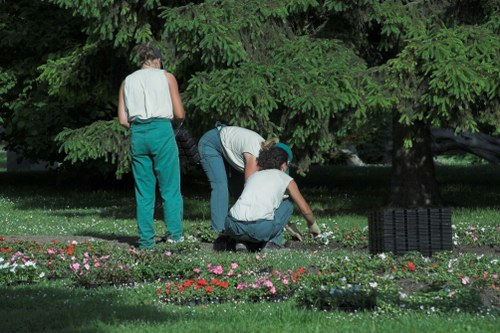
When you choose a service for hard landscaping in Haringey, you should expect a practical, responsive approach that takes the realities of the borough into account. That includes understanding local streets, common access issues, delivery planning, and the variety of property styles across the area. A local company is usually better placed to anticipate the small things that can affect a project, from where materials can be stored to how waste will be removed without unnecessary disruption.
You should also expect clear communication about the work involved. That means discussing the design, materials, preparation, and likely sequence of work before anything begins. If there are constraints such as shared access, limited storage, or the need to protect existing planting, those should be addressed early so the project can be delivered with fewer surprises.
Most importantly, a good service should focus on the long-term result, not just the appearance on day one. Proper levels, neat detailing, strong edging, and stable foundations all help the finished area stand the test of time. Whether the project is for a home in Bounds Green, a garden in Stroud Green, or a business near Finsbury Park, the goal is the same: a reliable outdoor space that suits the property and works well every day.
What is usually included in a quote discussion?
When you request a quote, it is helpful to discuss the practical details that shape the work. These may include:
- The size and shape of the area
- Access for tools, materials, and waste removal
- Existing surfaces and whether they need removal
- Ground conditions, drainage, and slope
- Preferred materials and finish style
- Any steps, walls, borders, or raised features
- Whether the space is residential or commercial
Having this information ready can help the quoting process feel smoother and more accurate. It also helps you compare options in a meaningful way, rather than simply looking at surface appearance.
Preparation checklist before work begins
If you are planning a landscaping project, a little preparation can make the start of work easier. Here is a simple checklist:
- Clear the area of furniture, pots, and loose items where possible
- Decide which existing features you want to keep or replace
- Think about how you want to use the space day to day
- Consider whether drainage, steps, or access are causing problems
- Check any shared boundaries, permissions, or access arrangements if relevant
- Prepare to discuss material preferences and maintenance expectations
Simple preparation helps the project start well and reduces avoidable delays. If you are unsure what to move or what to leave in place, that can usually be discussed before the work begins.
Pricing factors for hard landscaping projects
Every project is different, so costs can vary depending on the scope and the condition of the site. Rather than looking for a fixed price, it is more useful to understand the main factors that influence the work. In Haringey, these often include access, waste removal, groundwork, drainage, material choice, and the complexity of the design.
The biggest cost factors usually include: size of the area, amount of excavation or clearance needed, type of materials selected, labour required for preparation and installation, and any additional structural features such as walls, steps, or retaining edges. Sites with restricted access or difficult levels may also require more time and careful handling.
If you are comparing options, it can help to ask what is included in the preparation, which materials are being used underneath the surface, and whether drainage or edging is part of the quoted work. A lower figure may not always include the groundwork needed for a durable result. A properly built surface should be judged on value over time, not just the initial number.
How to get better value from your project
- Choose materials that suit both the property and the intended use
- Plan the layout to reduce awkward cuts and wasted space
- Address drainage and levels at the same time as the surface design
- Match the finish to your maintenance preferences
- Consider whether a phased approach would work for a larger project
Good value often comes from doing the job properly the first time. That means proper preparation, careful installation, and a design that fits how the space will actually be used over the years ahead.
Why choose a local company?
A local Haringey team brings practical advantages that are hard to ignore. They are more likely to understand the borough’s property types, road layouts, access limitations, and the realities of working in busy residential streets. They can also respond more easily to site visits, planning changes, and delivery coordination. For many customers, that local understanding is one of the most important parts of a smooth project experience.
Local knowledge helps with more than convenience. It can improve the design, reduce disruption, and support a better finished result. When you are investing in your outdoor space, that matters.
Areas covered across Haringey
Hard landscaping projects can be arranged across the borough and surrounding local communities. Customers often enquire from a mix of neighbourhoods and property types, including:
- Wood Green
- Tottenham
- Tottenham Hale
- Seven Sisters
- Harringay
- Finsbury Park
- Stroud Green
- Crouch End
- Hornsey
- Muswell Hill
- Bounds Green
- Highgate
- Manor House
Because each area has its own character, the best hard landscaping solution is rarely a one-size-fits-all approach. A back garden in Hornsey may call for a different layout than a narrow outdoor space in Tottenham or a front approach in Crouch End. A local service should take those differences into account when recommending materials and methods.
If you manage a commercial property, shared building, or rental portfolio in the area, hard landscaping can also help with presentation and upkeep across multiple sites. Contact us today to discuss the most suitable approach for your location.
Frequently asked questions
Can hard landscaping work in a small Haringey garden?
Yes. In fact, small spaces often benefit the most from careful hard landscaping because the layout needs to be efficient. A compact patio, smart path route, or raised border can make a small garden feel more organised and useful.
Do I need drainage improvements as part of the work?
Not always, but drainage should be assessed on every project. If water already pools, if the ground is heavy, or if the surface will sit close to a building, drainage measures may be important for long-term performance.
What surfaces are best for low maintenance?
That depends on your property and how you want the space to look. Many customers choose paving, porcelain, gravel, or well-edged hard surfaces because they are straightforward to care for when installed correctly.
Can hard landscaping include both practical and decorative features?
Absolutely. A project can combine structure and style, such as steps, walls, and paving alongside planted beds, decorative borders, or seating areas. The aim is to make the space useful and attractive at the same time.
How do I know which materials will suit my property?
A site visit is usually the best way to decide. The right material depends on the style of the building, the amount of use the surface will get, your maintenance preferences, and the conditions of the site.
Is hard landscaping suitable for commercial premises too?
Yes. Businesses, landlords, and managing agents often need durable outdoor surfaces that are easy to maintain and present well to visitors or staff. The design can be adapted to suit the site’s function and level of use.
Ready to improve your outdoor space?
If your garden, driveway, entrance, or communal area needs structure, durability, and a smarter finish, hard landscaping in Haringey can provide the right solution. From practical paving and pathways to retaining walls, steps, and access improvements, the right work can change how your property looks and functions every day.
Whether you are upgrading a family garden, improving a rental property, or planning a more professional finish for a business premises, it pays to start with a clear plan and a local team that understands the area. The best results come from careful preparation, suitable materials, and a layout designed around real use, not just appearance.
Request a free quote, contact us today, or book your service now to discuss your project and take the first step towards a more practical, attractive outdoor space. If you already have ideas, bring them along. If you are still deciding, a site visit and design discussion can help you move forward with confidence.