Health and Safety Policy for Landscaping Haringey
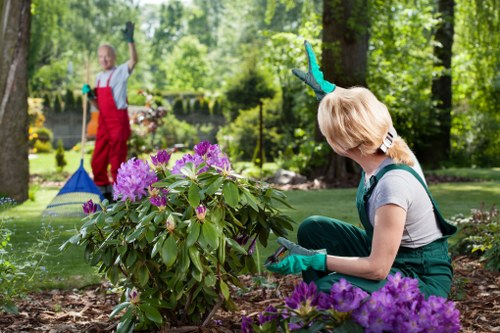 This health and safety policy sets out the standards and responsibilities that support safe, consistent, and professional landscaping Haringey services. It applies to all outdoor work carried out by our team, including planting, turfing, pruning, soft landscaping, site clearing, and routine grounds maintenance. Our aim is to protect workers, clients, visitors, and the public while ensuring that every project is completed with care, attention, and proper control measures.
We recognise that landscaping operations can involve physical work, moving machinery, hand tools, uneven ground, weather exposure, and contact with plants, soil, and waste materials. Because of these risks, we require a planned approach to safe working at every stage of a project. This policy supports safe working practices, proper supervision, and ongoing review so that hazards are identified early and managed effectively.
 All staff and contractors are expected to work in line with this policy, follow site instructions, and report concerns without delay. Safety is a shared responsibility, and no task should be started unless the work area, tools, and conditions have been assessed. Whether the task involves a small domestic garden or a larger commercial landscape, the same commitment to safety applies.
Risk assessment is central to our approach. Before work begins, suitable checks are carried out to identify hazards such as sharp tools, underground services, traffic movement, unstable surfaces, slips, trip hazards, and exposure to dust, noise, or chemicals. Where needed, safe systems of work are created to reduce the chance of injury. Control measures may include segregating work areas, using barriers, adjusting tasks for weather conditions, and selecting the correct equipment for the job.
All tools and machinery used in Haringey landscaping work must be suitable for purpose, maintained in good condition, and used only by trained persons. Equipment checks are carried out before use, and defective items are removed from service immediately. Guards, safety devices, and operating instructions must always be respected. Workers must never bypass protective features or use damaged tools, as this can lead to serious harm.
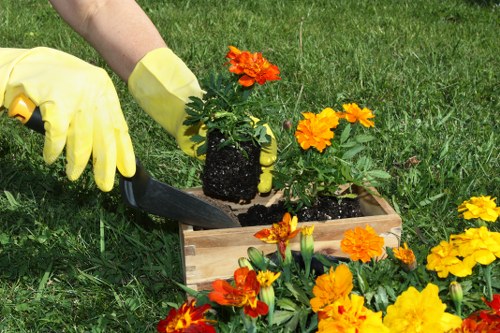 Personal protective equipment is provided and must be worn where required. This may include gloves, eye protection, hearing protection, safety footwear, high-visibility clothing, and weather-appropriate clothing. PPE is the final layer of protection, not a replacement for safe planning. In addition, everyone must take care when lifting, carrying, or moving materials to reduce strain and avoid musculoskeletal injuries.
Safe manual handling is essential in landscaping work. Materials such as soil, timber, paving items, compost, and waste can be heavy or awkward to move. Lifting should be avoided where possible by using mechanical aids, breaking loads into smaller amounts, and planning deliveries carefully. Team members are expected to use proper posture, ask for assistance when loads are too large, and stop work if a task feels unsafe.
Environmental conditions also influence risk. Landscape teams may work in heat, cold, rain, wind, or poor light, and each condition requires sensible adjustments. Work should be paused or rescheduled if conditions create unacceptable danger, such as lightning, icy surfaces, or strong winds affecting branches and equipment. Adequate hydration, rest breaks, and suitable clothing help maintain wellbeing during longer outdoor tasks.
Plant safety and chemical awareness are also part of our landscaping health and safety standards. Fertilisers, pesticides, fuels, and cleaning products must be stored, handled, and disposed of according to the correct instructions. Staff must understand any relevant hazards before using these substances, and spills must be managed quickly and safely. Where plant species or site conditions present a risk of irritation, allergy, or injury, appropriate controls must be in place.
Site security and public protection are important on every project. Tools, materials, and waste must be stored safely so they do not create hazards for others. Work zones should be clearly marked where necessary, especially when there is access by residents, clients, or passers-by. If work takes place near roads, paths, entrances, or shared spaces, extra care must be taken to protect others from moving vehicles, falling debris, or unexpected activity.
Emergency arrangements must be understood before work starts. Staff should know what to do in the event of injury, fire, spills, severe weather, or another urgent situation. First aid provisions should be available where required, and incidents must be reported promptly so they can be reviewed. Any accident, near miss, or unsafe condition should be treated seriously, as reporting helps prevent repetition and strengthens our safety performance.
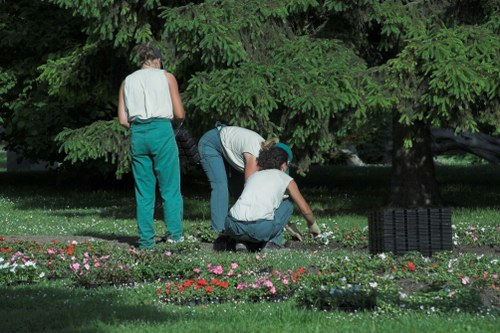 Training, supervision, and competence are essential to effective landscaping safety. Everyone must receive appropriate instruction for the tasks they carry out, including the safe use of tools, recognition of hazards, and correct site behaviour. Supervisors are responsible for monitoring standards, giving clear direction, and stopping work if unsafe practices are observed. New staff and less experienced workers should be given extra support until they can work safely and confidently.
We also expect a professional attitude toward housekeeping and waste control. Work areas should be kept tidy, with offcuts, packaging, soil, branches, and other materials removed regularly to reduce slips and trips. Waste must be separated and disposed of responsibly. A clean site is not only more efficient but also significantly safer for workers and anyone nearby.
Health and wellbeing are integral to this policy. Landscaping work can be physically demanding, so fatigue, stress, and poor concentration must be managed carefully. Staff are encouraged to speak up if they are unwell, over-tired, or unable to complete a task safely. Fitness for work should always be considered, especially when operating machinery or carrying out repetitive manual tasks. Good communication, reasonable workloads, and planned breaks all contribute to safer outcomes.
 This policy is reviewed regularly to ensure it remains effective, practical, and aligned with safe working standards. Any updates will reflect changes in equipment, working methods, site conditions, or legal expectations. By following this policy, our team supports a culture of responsibility, professionalism, and care across every Haringey landscaping project, helping to deliver high-quality results while keeping people safe.